From dressing like a VIP to following ‘gold spoon’ idols, fascination with wealth goes beyond what money can buy in Korea
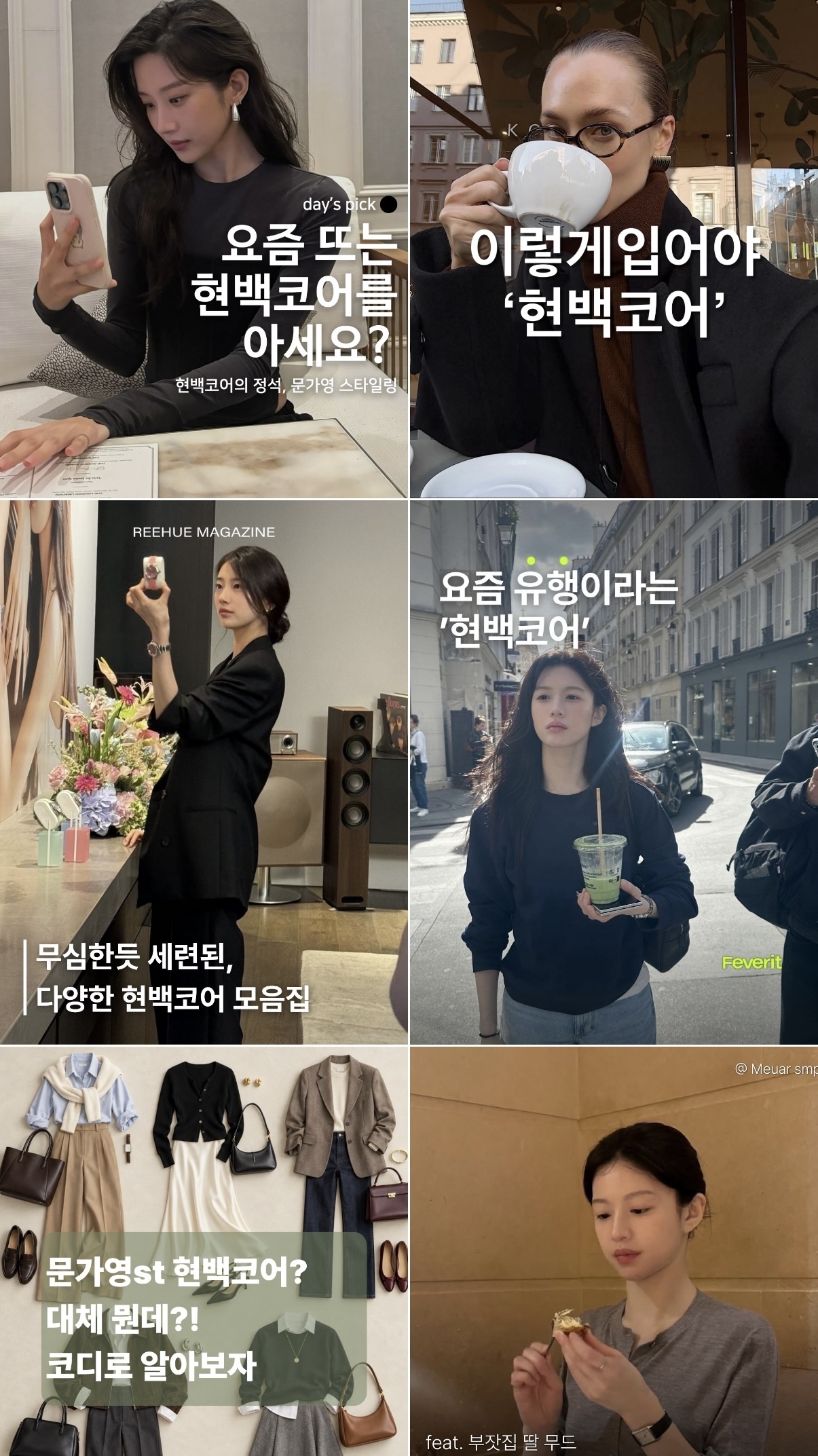
Having enough money to buy anything in a department store sounds nice. Having so much that you don't bother to check the price tags sounds even better.
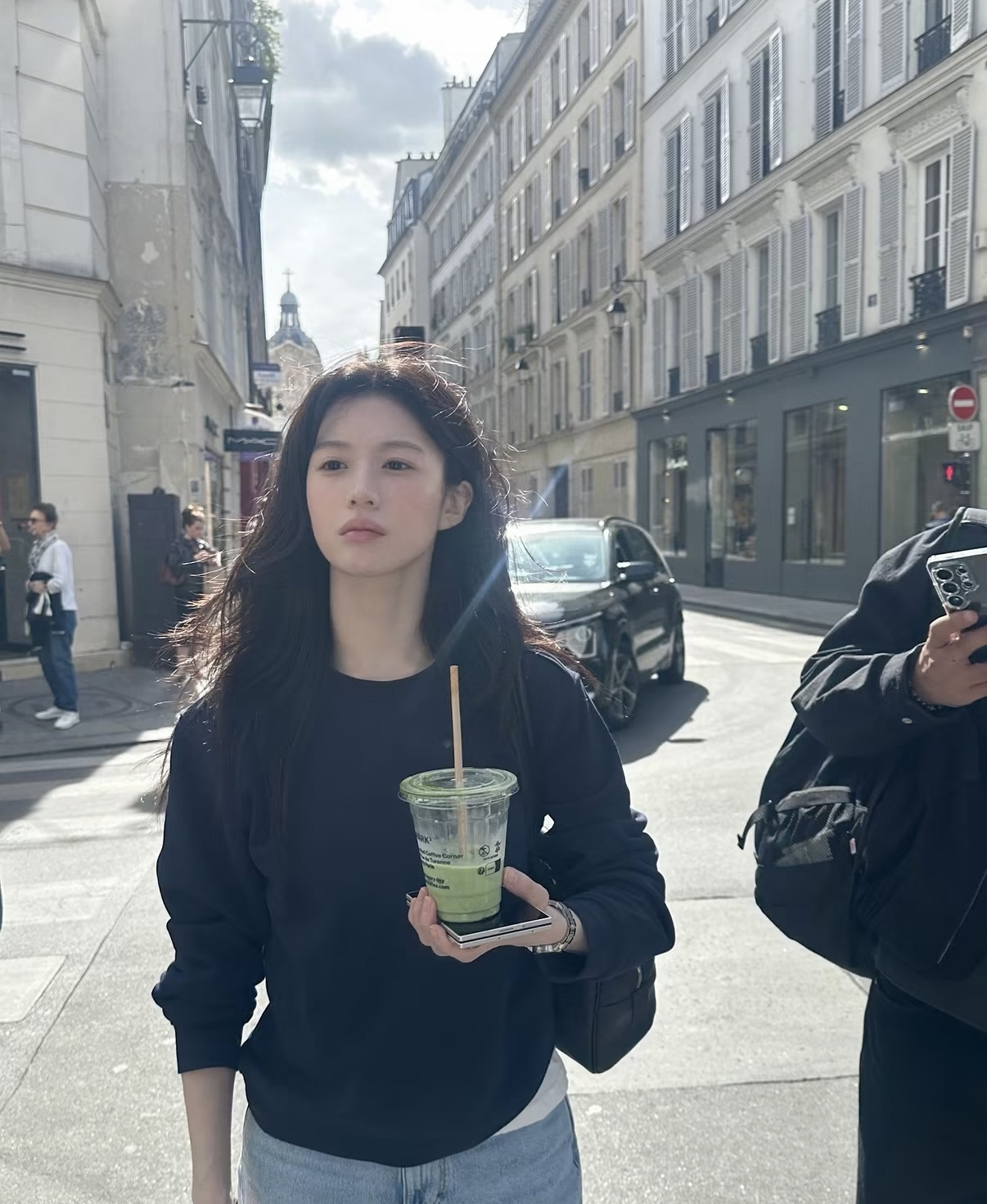
That fantasy is at the heart of “Hyunbaek-core,” a fashion trend circulating on social media that draws on the image of an affluent young woman browsing Hyundai Department Store in clothes that look simple but expensive.
The style is understated yet polished, built around well-cut basics, subtle accessories and discreet luxury labels. She makes looking expensive look easy, as though she has little else to think about besides where to have coffee that afternoon.
“I see a lot of posts on Instagram calling the trend the ‘Go Youn-jung look’ for casually pulling off a simple, understated look, but it’s effortlessly stylish. Although I don’t have the money to dress myself in luxury goods, trying to dress that way makes me look stylish,” said Ha Yu-rim, a 22-year-old college student.
But the trend is about more than clothes. Its appeal lies in the lifestyle they suggest: one of financial security, inherited privilege and the freedom to make choices without worrying about their cost.
“It’s not so much the designer bags or clothes I envy. It is, for example, being able to book a trip or try something new without first checking whether you can afford it,” said Lim Soo-young, another college student.
Allure of looking born rich
The fascination with old money is not limited to fashion trends.
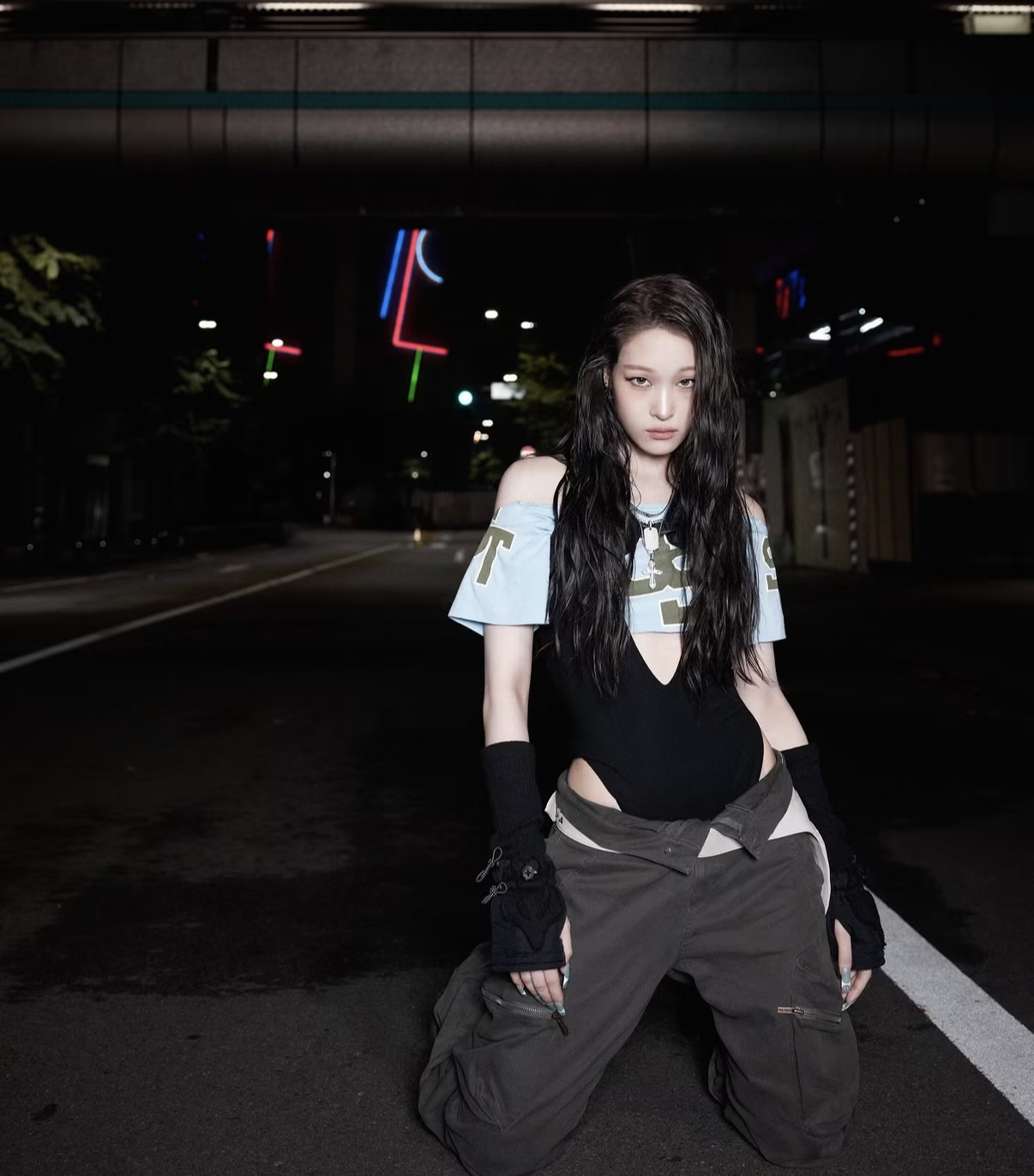
Even before Annie of K-pop group Allday Project made her debut in June 2025, she was already generating buzz, largely because of her wealthy family background.
The eldest daughter of Chung Yoo-kyung, chair of Shinsegae Inc., which operates department stores under the Shinsegae name across South Korea, Annie is often seen as the embodiment of someone born with a "gold spoon," a Korean term for someone born into wealth.
Public interest in her extended beyond her music to the lifestyle her wealth affords: what she wears, how she spends her time and her choice to pursue a demanding career despite having no financial need to work.
Lim said she is fascinated by the image of being born rich, but recognizes how far that lifestyle is from her own reality.
“Even if I dress up like the trend, in real life, I have to balance spending on things I enjoy with saving for my future, while the people I follow on Instagram seem able to do both,” she said.
The trend comes at a time when confidence in social mobility is weakening, as more people see family background as a factor shaping their prospects.
A study by the Korea Institute for Health and Social Affairs, based on a 2025 survey of 3,000 adults and released in June, found that only about one in four respondents considered social mobility in South Korea to be active. Among those who felt it was limited, 43.4 percent cited the influence of parents' financial resources and social background on their children's chances of success.
At the same time, faith in individual effort remains strong. Asked whether people could improve their socioeconomic standing through their own efforts, 42.5 percent said the likelihood was high, while 50.7 percent considered it moderate. Only 6.8 percent said it was low.
The research team said the findings showed that belief in individual effort as a means of upward mobility coexisted with an awareness of how strongly parents' socioeconomic status shapes their children's prospects.
Seeking recognition through looks
Lee Eun-hee, a professor of consumer studies at Inha University, seees Hyunbaek-core as an extension of status-conscious consumption, with the emphasis expanding from a single designer handbag to an entire outfit.
An understated style does not necessarily mean less interest in displaying wealth. In her view, consumers are using more of what they wear to convey it.
“People believe they will be judged and treated according to their clothes, earrings and necklaces,” Lee told The Korea Herald.
“It started with bags, but it is expanding to clothes, accessories, watches and even shoes now,” she said.
She also questioned how much of this reflects individual taste. Consumers may be following widely admired ideas of success rather than deciding for themselves what matters, she said.
Heo Chang-deog, a sociology professor at Yeungnam University, linked the fascination with wealthy lifestyles to a desire for recognition and acceptance.
Imitating those lifestyles can be a way to show others that one has succeeded or built an enviable life, he said. The purchases become a way to demonstrate achievement and gain social approval.
“The speed at which trends spread in Korea can encourage such imitation. Once a celebrity’s outfit or lifestyle attracts attention, others are quick to follow. That is why ‘Hyunbaek-core’ is gaining popularity. It makes others feel like they are the same,” Heo said.
While this reflects an awareness of cultural trends, it can also lead people to place more weight on others’ preferences than on their own, Heo added.
Comparing oneself with others can reinforce the pattern, encouraging consumers to follow the spending habits of people they regard as successful rather than consider their own needs and circumstances.
Heo stressed that people should establish their own priorities before following someone else’s example.
“There is no need to consume the same things simply because someone well-known does,” he said.
junheee@heraldcorp.com